
2023/12/16
"Japan is a superorganism" by Kutsuzawa Ryoji
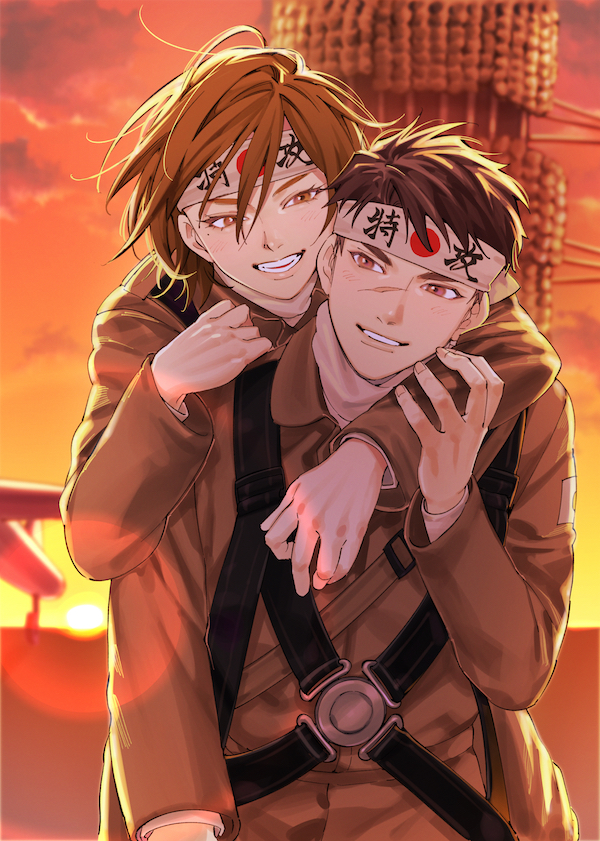
Chapter 1: “Only in Japan”
Have you ever heard of "OIJ" or "Only in Japan"?
The term is used favorably mainly on overseas forums, social networking sites, and video posting sites.
It shows what we Japanese are usually unaware of, but what seems to be special to foreigners.
Here are some of them.
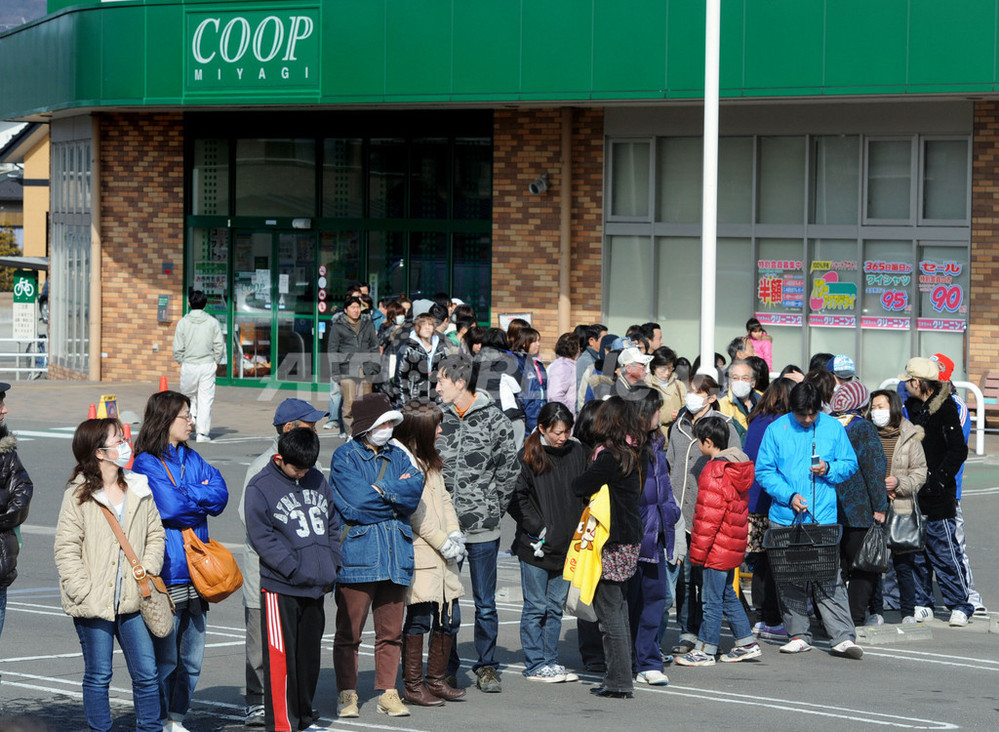
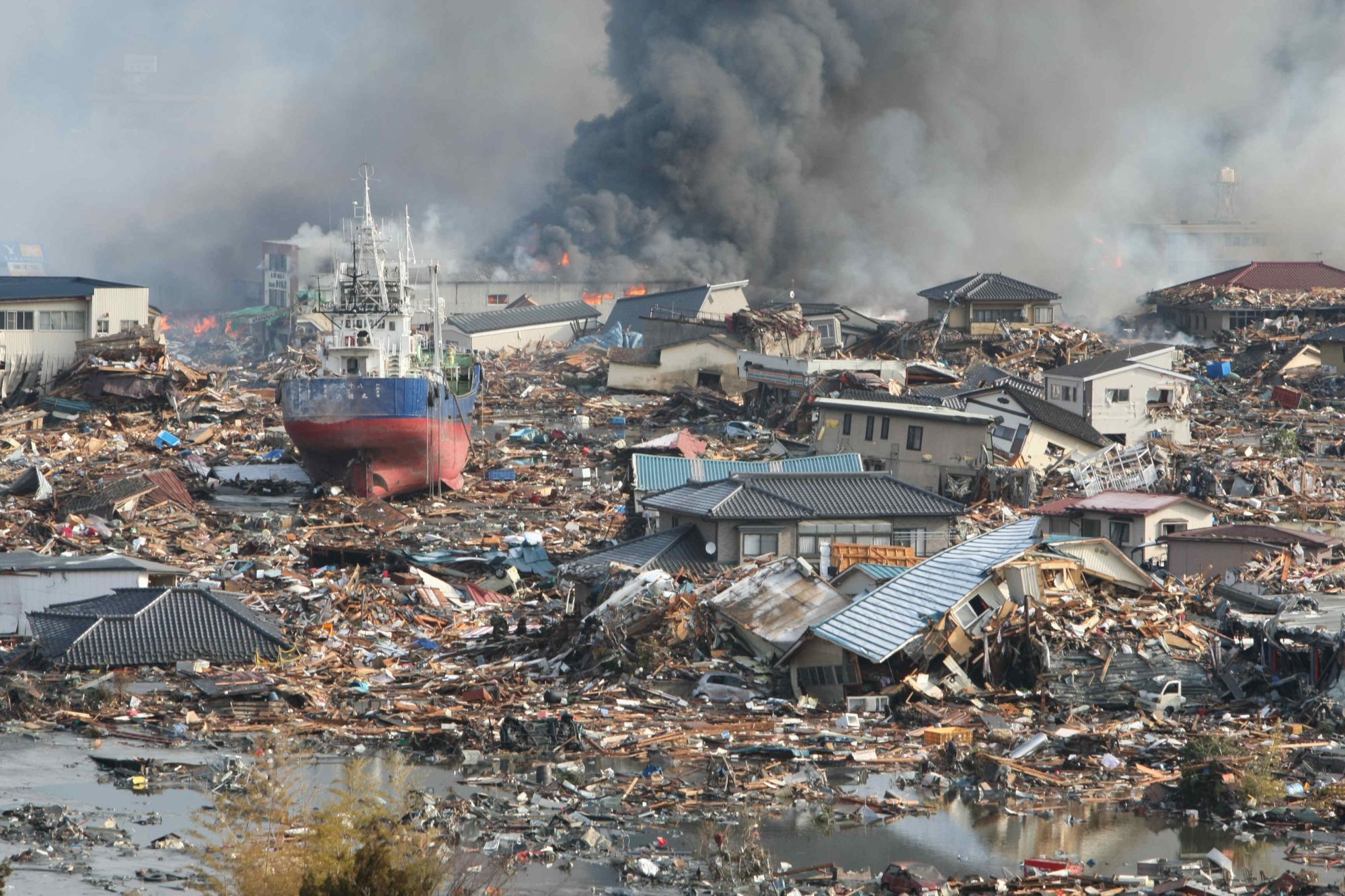
US newspaper praises, "Why no looting?"
https://www.jiji.com/jc/v2?id=20110311earthquake_57
In the US, where the damage from the Great East Japan Earthquake and the accident at the Fukushima Daiichi Nuclear Power Station have been top news every day, people have expressed surprise and admiration for the patience and orderliness of the disaster victims. "Why is there no looting in Japan?" The US media has successively taken up the topic for discussion.
Overseas Reactions
・Japan is the only civilized country left on earth, considering all the riots, arson, and crimes that take place in the supposedly developed countries. - Nationality unknown
・1.28 million people. And yet, not a single report of looting under these circumstances. Japan is an unbelievable country. – USA
・Looting is really unforgivable, isn't it? - USA
・The Japanese are simply not selfish.
・I think when we are poisoned by the huge consumer society, we think that a pair of Nike sneakers is worth more than a human life. All you think about is satisfying your own needs. - Mauritius.
・I'm sure if this were to happen in LA, NY, or London, it would be beyond imagination in some way. - USA
・When I lived in Japan, I took 5 days sick leave, and my boss and co-workers came to my house and brought food and cooked for me. That would never happen with an American boss. - USA
・Every time a neighbor goes on a trip somewhere, they always bring me a souvenir, and also they give me something to share for no special reason. Oh, another time, when I got lost on the subway, someone would ride the train with me for about 20 minutes and bring me back to the destination. So, I am not at all surprised that Japanese people do not loot in these situations. - USA
The New York Times
http://www.y-asakawa.com/Message2011-1/11-message38.htm
The Japanese people's patience, calmness, and order, however, were indeed noble. In Japan, there is a word that is often used, "endurance. There is no exact translation in English, but it means something similar to "toughing it out." The people of Kobe did just that. I was in awe of their courage, cooperation, and common purpose.
During my time in Japan, I was often impressed by the orderliness and politeness of the Japanese people, but the feeling was never stronger than after the Kobe earthquake. The Kobe Airport was almost completely destroyed, and glass was broken in stores throughout the city. I scoured through the city trying to get the scoop on the looting and fighting over relief supplies. Finally, I came across a shopkeeper who said he had been robbed by two men. I asked him, a little exaggeratedly, “Were you surprised that the same Japanese would take advantage of a natural disaster to commit a crime?" The owner looked surprised and said, "who said they were Japanese? They were foreigners." he replied.
For the video where tens of thousands of people are lined up in an orderly fashion and moving in a systematic manner at the Comic Market venue
https://youpouch.com/2012/01/04/49448/
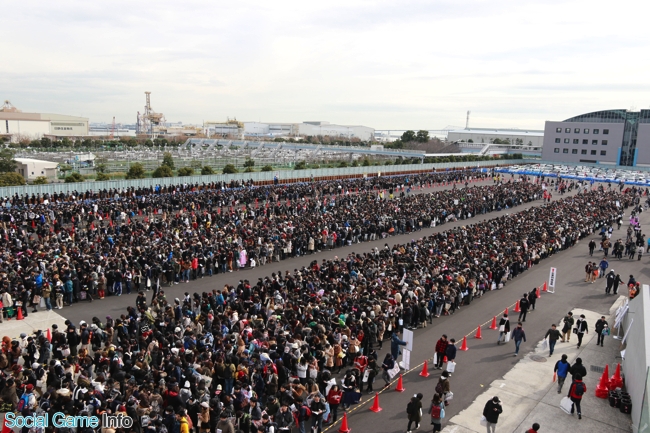
“Great video of the quick turnaround at the entrance on the 3rd day of Comic Market!”
A video of the entry to the Comic Market has become the talk of the town. The video was taken of the west side waiting line on the third day of the event and was filmed continuously from 1:00 a.m. to noon on the 31st. It clearly shows tens of thousands of people neatly lining up and following the guidance of the staff.
This video was shot from a room at the Tokyo Bay Ariake Washington Hotel near the venue, Tokyo Big Sight. According to the person who posted the video on YouTube, the shooting interval was 5 seconds, and the shooting time was from 1:00 a.m. to 2:00 p.m.
The first half of the video is completely dark, but the sun begins to rise in the middle of the video, and when the venue opens at 10:00, we can see neatly lined up rows of people heading sequentially toward the venue. Not knowing how many people are in a single line, the smooth entry into the venue without any major confusion is nothing short of spectacular.
Overseas Reactions
・Here was a glimpse of the highest unity on earth that humanity can boast of. It would be great if we could see such a scene in the Kaaba Temple in Mecca. - Saudi Arabia
・I wonder if Muslims can unite like this in the name of the great God of Allah… - Saudi Arabia
・I understand their greatness even though we speak different languages and cultures. - Nationality unknown
・Muslims are aware of Islamic precepts by praying five times a day. On the other hand, their Japanese moderation never ceases 24 hours a day. - Emirate
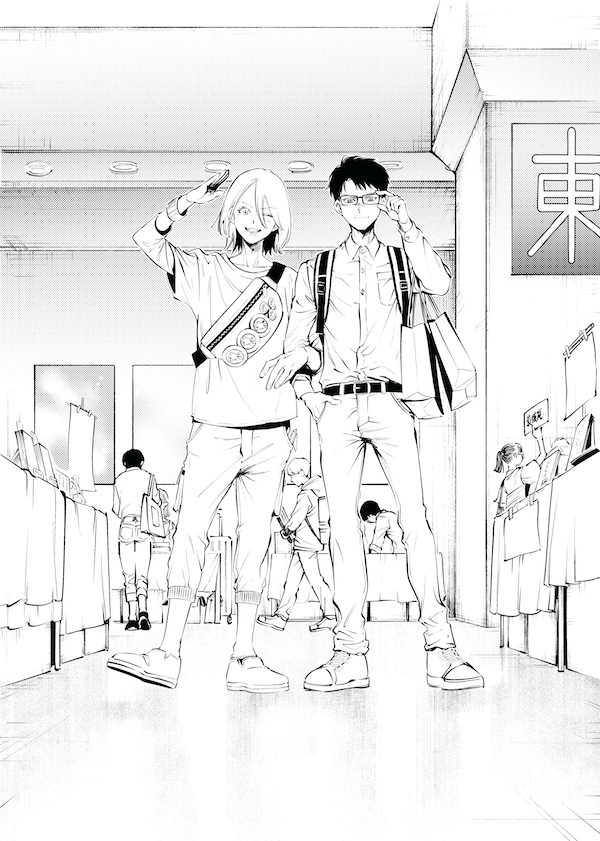
“Why is Shinagawa Station so quiet when there are so many people in rush hour!"
http://kaigainohannoublog.blog55.fc2.com/blog-entry-920.html
・What surprised me the most was not the number of people, but the silence. - Sweden
・Is it just me, or does it look like they are walking in a tight line? - USA
・It's also a little scary because everyone is walking with the same stride and at the same speed. - USA
・Those people can see lines we can't. – USA
Surprised foreigners at an unmanned vending station
http://kaigainohannoublog.blog55.fc2.com/blog-entry-1903.html
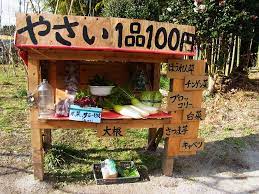
・It's wonderful to see unmanned vending systems being established. - USA
・This system was in Switzerland in the 70's and 80's. Ah, the distant past… - Switzerland
・This is definitely only in Japan! How I wish we could do this in my country! - France
・Amazing, phenomenal! What a great story! - Italy
・If it were my country, vegetables and money would be missing. - Malaysia
・I can't believe that people trust 100% that strangers will leave money to buy their goods! - UK
・In my country, people not only steal merchandise, they also steal the money that the person in front of them paid for the merchandise. - Mexico
The elaborate precision of Karakuri dolls from the Edo period is astonishing.
http://kaigainohannoublog.blog55.fc2.com/blog-entry-1512.html
Foreigners "Scared of the Japanese": Performance of Karakuri Dolls Created in the Edo Period Astonishes Foreigners
The Karakuri Doll in the video is a Bow-Twitching Doji, a masterpiece of Edo Karakuri, said to have been created in the 1820s by Hisashige Tanaka, the founder of Toshiba Corporation.
The motion of the Karakuri is controlled by a spring, cam, lever, and string, and it is capable of shooting four arrows automatically, making it a high-performance creation.
In addition to Karakuri Dolls, Hisashige Tanaka, known as "Karakuri Giemon," invented and produced a variety of other items, including a self-announcing bell, a pocket candlestick, an inexhaustible lamp, a model steam locomotive, and a prototype telephone in the Meiji period.
Hisashige Tanaka astonished people when he created an "unopened inkstone box" at the age of eight, and his work still seems to have the power to astonish even people overseas nearly 200 years later.
Overseas Reactions
・Oh, my God! All I know is that something crazy is going on! - Nationality unknown
・I can't believe this was made 200 years ago… - Thailand
・What the hell is this? They used to make mechanical dolls of this high standard a long time ago... - Spain
How can anyone watch this and not be awestruck? - Ireland
・I would say this is the history of technology itself. - Czech Republic
・Amazing, no matter how many times I see it, it's still amazing! - Nationality unknown
・It's amazing again that it hasn't been broken in 200 years. - UK
・Even though French automata of the 19th century only had neck movements! It's amazing that this doll actually even shoots arrows! - USA
・In a word, this is art! - Brazil
This is a brief introduction to some of the "overseas reactions".
We Japanese are not particularly aware of this, but as you can see, we are unique enough by the world's standards.
Instead, the reactions and impressions of foreigners are more likely to make you say, "Oh, what? Only Japanese people do this? or "OIJ" is also found.
An American said, “I lived in Japan for many years for work and returned to Japan for the first time in many years to have dinner at a restaurant with my friends. I was stacking dishes and wiping down the table, a habit I had developed over the years, when the restaurant became quiet, and everyone looked at me. The waitress said, 'I've worked here for more than 10 years, and you're the only one who did that for us.’”
It's exactly like " Oh, what? Only Japanese do this?" You would be surprised, wouldn't you?
There may be many more "OIJ" that we Japanese do not know about.
Chapter 2: Blood Relationships among Japanese
Section 1: Gene exchange that transcends status
Next, I move on to discuss blood relations among the Japanese people as a whole.
Some of you may have this question about the blood relations among the Japanese "as a whole".
“I wonder if the marriage of a farmer and a samurai was forbidden in the context of the blood relations of the Japanese people as a whole?”
“Was there a division of blood relations based on status?”
These questions were also actively discussed on international bulletin boards.
https://blog.goo.ne.jp/mirojoan/e/cd12cfa4baca54463ebeda1dcb9f76ad
"A large number of people [Americans] believe that it was either a rare elite force, much like the US Navy SEALs or the Russian Spetsnaz, or it was a small, strictly defined aristocratic class.
However, they were actually a social class in the larger sense of the word. In the first place, the word "samurai" meant "those who served alongside the nobility. Over time, the word evolved and became associated with the warrior class, especially middle to upper class warriors. This means that there were considerably more strong warriors like them than is generally believed.
In fact, at its peak, the samurai at times accounted for as much as 10% of Japan's population. Because of their large population and long-term influence on Japanese history, it is said that all Japanese today have samurai blood in their veins."
Cited above
Some facts reinforce and supplement the concluding statement, "It is said that all Japanese today have samurai blood in their veins."
https://detail.chiebukuro.yahoo.co.jp/qa/question_detail/q14113850329
“In some cases, the daughters of the samurai families were given to the farmers. However, it seems that the condition was that the daughter had to be a well-to-do peasant.
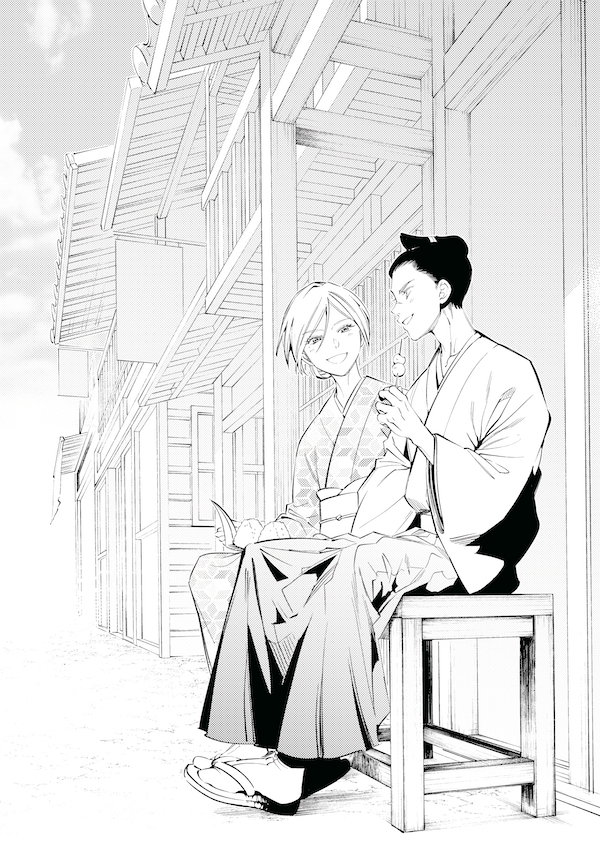
Actually, this story is about my relative. She brought her father's sword, who was a samurai, with her when she married into the family.
We would need to ask local and historical researchers in the Fukushima area, as well as university professors, to find out for sure if there were other examples of the same thing."
“Under the status system, different statuses cannot marry. A samurai and a daughter of a merchant could not marry. Then, if the daughter was adopted by a samurai and became the daughter of a samurai family, she could marry. At the end of the Edo period, Hatamoto and Gokenin were also under financial pressure, and it is said that they married for the dowries of the daughters of Machiya families. Tsunayoshi's mother was a grocer's daughter. Naturally, a daughter of a Machiya family could not go up to the inner palace, so she was adopted by a samurai family and became a concubine of the Shogun. This is a culture of adaptable. Of course, there weren't many of them, but there were marriages of different statuses."
“There was a loophole. Marriages between persons of different statuses could be honored by first adopting the lower one into the family of the appropriate status, and then keeping him or her with that family."
Cited above
A grocer's daughter could be the mother of a general.
Hideyoshi, who became Taikoo from a peasant farmer, is also hazy on his great rise to power.
And if repeated marriages between strictly warrior classes were to take place, this is what would be expected to happen.
A population with no influx of genes from elsewhere is called a " closed colony".
This includes islands with no access at all, but what happens if they repeatedly breed in this environment?
Genetic diversity is lost, increasing the risk of homogenization and the risk of wiping out entire populations against pathogens or viruses newly emerging through mutation.
By "thickening the blood" even undesirable genes can be strengthened, leading to an increase in birth defects.
This is because if both father and mother carry undesirable genes, the child will inherit both.
In the Habsburg family of King Felipe II of Spain (i.e. the Spanish Habsburgs), from whom the "Philippines" derives, aunts and nieces were repeatedly married in the third degree of kinship.
It didn't happen because they wanted to.
・Adopted a strict Catholic policy and could not marry Protestant or Orthodox royalty and nobility.
・The Habsburgs are one of the most prestigious families in Europe, splitting from the Habsburgs, and are unable to marry lords of lower family rank.
The Habsburg family was a closed colony of genes as a result for a number of reasons, including the above.
It is surprising that as many as 9 of the 11 marriages were third-degree marriages, and some were second-degree marriages.
Carlos II, the last king of the Habsburg family, had a disability and it is recorded that he was only able to speak at the age of four and walk at the age of eight.
In his later years, he had difficulty standing up, suffered from hallucinations and had frequent convulsive seizures.
He was also sexually impotent, and this eventually led to the break-up of the Habsburg family.
This has been studied as a harm of consanguineous marriage for many years, and on 15 April 2009 the US online scientific journal PLoS ONE published a study on the cause of the breakdown of the Spanish Habsburg family: consanguineous marriage.
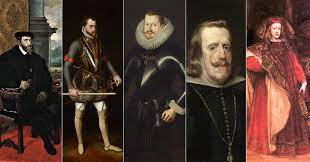
In this article, it is reported that Carlos II is thought to have developed two congenital anomalies simultaneously: pituitary hormone deficiency and distal tubular acidosis.
They also point to the fact that the infant mortality rate within the clan was clearly higher than the national village average derived from the family registers of the time, which confirms this.
It is no longer a family that wants to call them a "genetic cage" when it comes to this.
Even without the results of recent research, it is not difficult to imagine that our ancestors learned from experience and tried to avoid " thickening of the blood" as much as possible.
The story of a chief offering his daughter to a traveler in a closed colony, a village deep in the mountains, for a night's sleep is a folk tale of sorts, both old and new.
They may have wanted genes from outside the village to avoid "thickening the blood."
And because this was desired all over the world, I assume that it became established as a type of folk tale.
So, combined with the negative effects of closed colonies, it is thought that even if possible, marriages between warrior families were not so strictly enforced.
It is not at all surprising that all Japanese people today are descended from the Samurai.
Chapter 2, Section 2: On the warrior class making great strides across the country
Next, let me tell you about the Genji, Heishi and Fujiwara clans, which leapfrogged across the country.
Oda Nobunari, a skater descended from Oda Nobunaga (Kammu-Heishi family), Date Mikio who is known as Sandwich Man, descended from Date Masamune (Fujiwara clan), and others. Also, the Ashikaga Soke (Seiwa-Genji), Soma (Kammu-Heishi) and Hosokawa Soke (Seiwa-Genji), who still retain their families. Surprisingly, there are many people today who are clearly descended from the Genji, Fujiwara or Heishi clans.
In addition, the Imperial Family counts 126 generations with the current Emperor, but there are several other clans that have flourished for many generations.
Five Fujiwara families, all of which survive.
The current head of the Konoe family, the first of the five regent families, Konoe Tadateru, is the current President of the Japanese Red Cross Society and President of the International Federation of Red Cross and Red Crescent Societies.
Governor Norihisa Satake of Akita Prefecture is the 21st generation of the Satake Kita family (Genji).
The Chiba clan (Kammu-Heishi) ruled the area around Chiba Prefecture for 39 generations.
Setsuko, wife of Kazutane, the 33rd head of the Soma clan (of the Kammu-Heishi lineage), is the sister of former Prime Minister Taro Aso.
The current head of the Date clan (Northern House of the Fujiwara clan) is a historian.
Former Prime Minister Hosokawa Morihiro is a member of the Hosokawa clan (Genji).
Tokugawa Tsunenari is the 18th head of the Tokugawa Soke (Genji) clan.
He is a former vice-president of NYK Line, the first chairman of the Tokugawa Memorial Foundation, chairman of the Yokohama Port Promotion Association, representative director of WWF Japan, chairman of the Jikei Foundation of Tokyo, and honorary chairman of the Shibunkai Foundation.
Owari Tokugawa family. The current head of the family is the director of the Tokugawa
Art Museum and a programmer by profession.
Kishu Tokugawa family Current head of the family is an architect.
Yoshinobu Tokugawa family Current head of the family is a photographer.
Also, names with the letters "Fuji" such as Mrs. Sato, Mrs. Saito and Mrs. Kato are of Fujiwara descent.
Mrs. Saito Fujiwara lineage related to the Saigu, the priestesses of the Ise Jingu shrine.
Mrs. Sato Fujiwara lineage, which is linked to Fujiwara No Hidesato.
Mrs. Kato Fujiwara lineage in Kaga (Ishikawa Prefecture).
Mrs. Ito Fujiwara lineage in Ise (Mie Prefecture).
Mrs. Bito Fujiwara lineage in Owari (Aichi Prefecture).
Mrs. Muto Fujiwara lineage in Bushu (Saitama Prefecture). Etc.
The Minamoto, Heishi and Fujiwara clans are both branches of the imperial family.
There are 21 styles of the Genji, which split off from 21 emperors.
1 Saga Genji 2 Ninmyo Genji 3 Montoku Genji 4 Seiwa Genji 5Yozei Genji 6 Koukou Genji 7 Uda Genji 8 Daigo Genji 9 Murakami Genji 10 Reizei Genji 11 Sanjo Genji 12 Gosanjo Genji 13 Goshirakawa Genji 14 Juntoku Genji 15 Gosaga Genji 16 Gofukakusa Genji 17 Kameyama Genji 18 Gonijo Genji 19 Godaigo Genji 20 Ogimachi Genji
21 Kazan Genji
The most famous of these is of course the Seiwa Genji, descendants of Emperor Seiwa (reigned 858-881), who produced two founders of the shogunate, Minamoto No Yoritomo and Ashikaga Takauji, and dominated the office of successive great barbarian generals.
Takeda Shingen is also a member of the venerable Seiwa Genji clan, and the Ashikaga clan, which was related to the Minamoto Soke and later founded the Muromachi Shogunate, is also a Seiwa Genji.
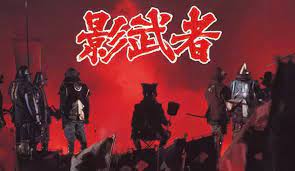
The four styles of the Heishi are the Kammu-Heishi, Ninmyo-Heishi, Montoku-Heishi and Koko Heishi.
However, it was mostly the Kammu-Heishi who remained in later generations.
The Heike's defeat in the Genpei War (Yashima and Dannoura) is also thought to have influenced the decline.
Heike is not equal to Heishi.
Heike refers to the clan of Taira No Kiyomori, one of the many Heishi.
Therefore, it is not The Tale of the Heishi, but The Tale of the Heike (Kiyomori).
The Taira No Kiyomori clan perished at Dannoura, but the other Heishi survived.
Probably the most famous is Oda Nobunaga, who came close to unifying the country.
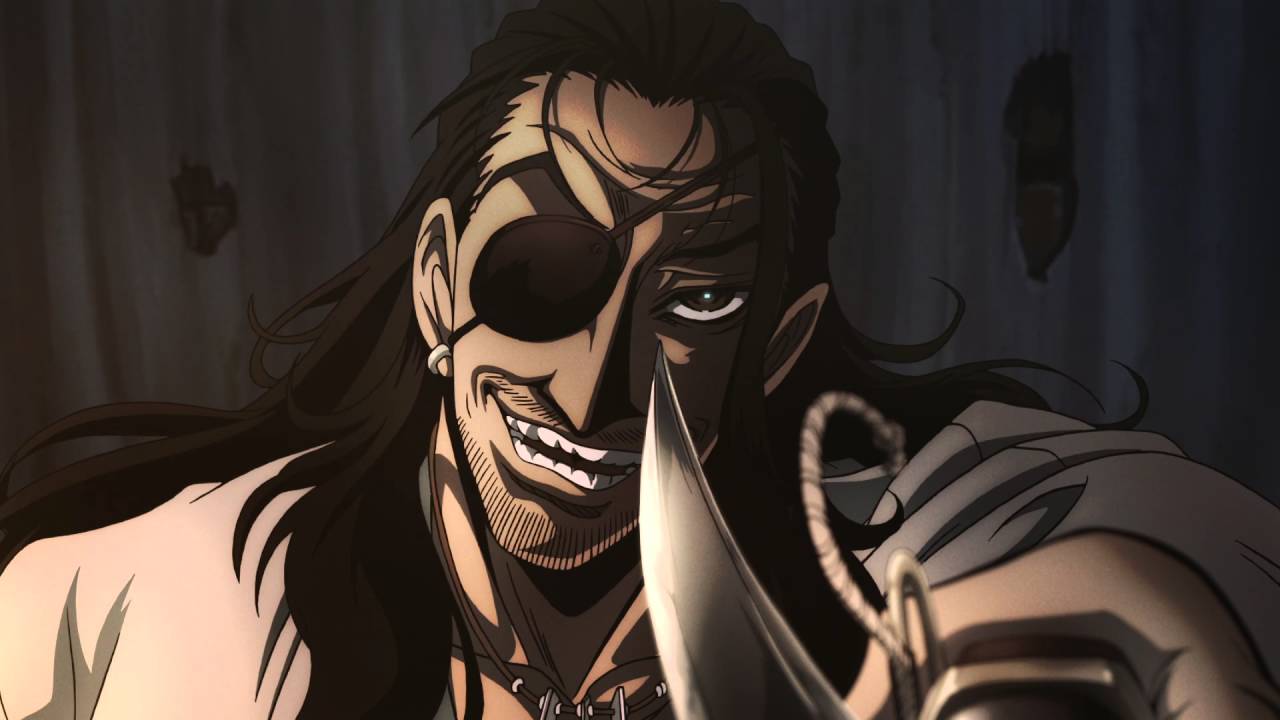
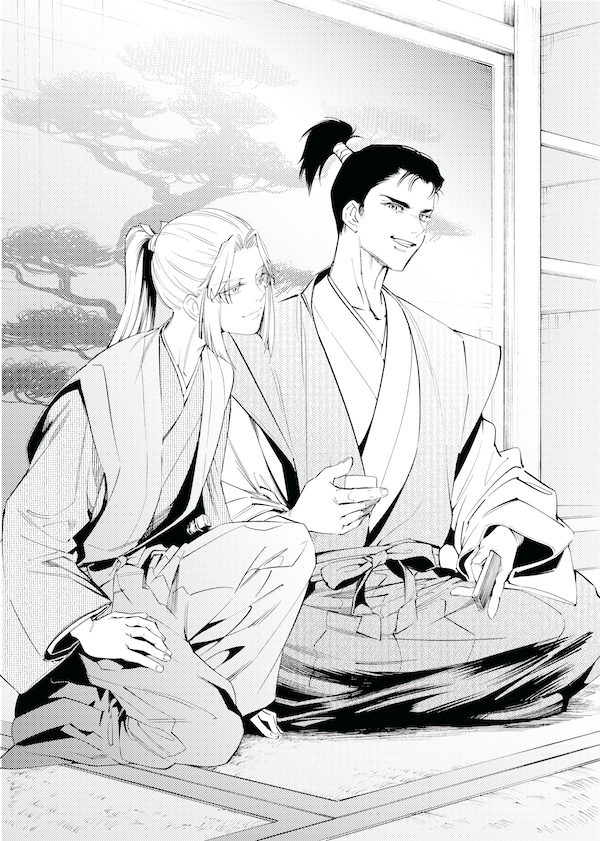
The skater Oda, a descendant of daimyo Nobunaga, is also a descendant of Emperor Kammu. He is, after all, a descendant of the Kammu Taira clan.
The Fujiwara clan is so closely related to the imperial family by blood that they can be regarded as one and the same.
He gave his daughter in marriage to the emperor and exerted power as an external member of the imperial family.
He grooms a number of princes other than the Crown Prince.
He was a professional in matrimonial politics.
It is not surprising that the imperial family and blood are growing closer together.
Kagami No Okimi was the wife of the founder of the Fujiwara clan, Nakatomi No Kamatari, or Fujiwara No Kamatari, who was an imperial princess.
Some believe that she was a daughter or grandson of Emperor Jomei.
She was the mother of Fujiwara No Fuhito and a former consort of Emperor Tenchi (Prince Naka no Oe).
How gallant of Nakatomi No Kamatari, who gratefully received the queen of his lord, Prince Naka no Oe.
Due to the immense power wielded by Fujiwara No Fuhito, there has long been a theory that his real father was Emperor Tenchi, and that the people around him knew it.
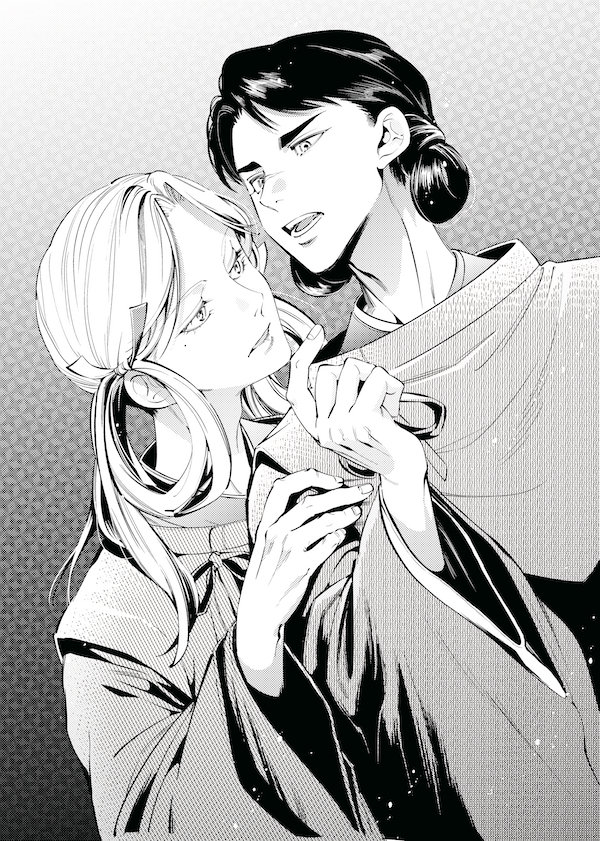
If this were the case, it could be said that the Fujiwara clan had been a branch of the imperial family from the time of Fuhito, before the repeated marriage politics.
The above is the story of the Genji, Heishi and Fujiwara clan being branches of the imperial family.
The spread of the Genji, Heishi and Fujiwara clan throughout the country means that the blood of the Imperial family, the head family, has spread throughout the country.
Chapter 2, Section 3: The lineage of our common people today
We all have parents, of course.
The parents also have their own parents.
Two generations back, our ancestors are our paternal grandparents and maternal grandparents.
parents 2: people
Grandparents: 4 people
Great-grandparents: 8 people
Great-great-grandparents: 16 people
5 previous ancestors: 32 people
6 previous ancestors: 64 people
As above.
We can see that the number of our ancestors is a power of two of our generations.
This is also not surprising.
Incidentally, my ancestor five generations ago was Kutsuzawa Kyutaro, who lived in the Edo period.
The family register only lists the names of Kyutaro and his wife, but I had 31 other ancestors.
The current age of first childbirth is 29.4, which is as close to 30 as possible, but in the Showa era it was said that a woman's age of 25 was like an unsold Christmas cake, so it must have been a little earlier.
Very roughly, one generation is assumed to be 25 years.
Then the number of our ancestors is,
25 years ago: 2 people
50 years ago: 4 people
75 years ago: 8 people
100 years ago: 16 people, which means.
Four generations in 100 years means that 2 to the 4th power is 16 people are our ancestors.
One hundred years ago, it was 1922, the 11th year of the Taisho era.
Life expectancy then was incomparably shorter than it is today, and marriage and childbirth were probably much, much earlier than they are today.
In the 1927 children's song "Akatombo," where the lyrics "My older sister went off to get married at 15," are sung, and since this was not considered early marriage at the time, there is no doubt that people were getting married and giving birth much earlier in the cycle than today.
Matsu, the wife of Maeda Toshiie, the founder of Kaga hyakumangoku, gave birth to her first son at the age of 12.It was 1562, about 460 years ago.
He was Maeda Toshinaga, who later became the first lord of the Kaga domain.
With some suspicion that 20 years may be a little long, we will use a very rough rule of 20 years per generation starting 100 years ago.
Then the number of our ancestors, who were 16 in 4 generations 100 years ago, would be 32 at 120 years ago, 64 at 140 years ago, and 128 at 160 years ago.
200 years ago, the number was 512; 240 years ago, 2056; and 280 years ago, 8224.
300 years ago, it was 16,448; 400 years ago, 526,336; and 500 years ago, 16,842,752.
Recent research indicates that the population of the Muromachi period, about 600 years ago, was approximately 10 million.
It means that all Japanese who lived about 600 years ago were your ancestors.
The probability that none of your ancestors, of whom there were about 16 million about 500 years ago, are among the Genji, Heishi, or Fujiwara clans, which are scattered across the country and have established themselves and prospered and even have many bloodlines that continue to this day, is zero.
Among the approximately 16 million ancestors of yours from 500 years ago, which is roughly equivalent to the population of Japan at that time, not a single Mrs. Sato, Mrs. Saito, Mrs. Kato, Mrs. Bito, Mrs. Todo, Mrs. Shindo, Mrs. Ito, Mrs. Hosokawa, Mrs. Oda, Mrs. Chiba, Mrs. Satake, Mrs. Soma, Mrs. Date... This cannot be true.
That means you are a descendant of the Genji, Heishi, or Fujiwara clans.
At the same time, it also means that you are a descendant of the imperial family.
We Japanese are all considered to be branch families with the Imperial Family as the head family.
Recent studies have estimated that the population of our country at the time of Emperor Jinmu was about 80,000.
The current population of our country is about 124 million excluding foreigners living in Japan, which means that the population has increased more than 1,500 times.
There is no way that we Japanese, who have increased more than 1,500 times, are not related to a relative somewhere.
Former Prime Minister Kakuei Tanaka also made this speech on the streets.
"If you go back five generations, , everyone is related to everyone else!"
This statement is thought to be an image of his hometown, Futada Village, in Kariwa County, Niigata Prefecture.
In a small farming village, if you go back five generations, you may indeed be related to everyone.
Large scale from village to country.
“If you go back 500 years, everyone is related to everyone else!”
The basis for this was presented in "Your 16 Million Ancestors."
Chapter 2, Section 4: We are all branch family with the Imperial Family
It is precisely because "we Japanese are all branch families with the Imperial Family as the head family" that this kind of thing happens, to the astonishment of foreigners.
From "The Truth About the Emperor" by Otto Kallon, Professor, University of Bonn
https://blog.goo.ne.jp/jomah/e/326e9d21748e855dd0bf9939fe85108f
The Roman Empire and even Napoleon's country has all fallen once they lost a battle. His Majesty Kaiser of my country, Hitler, who was adored like a god during his lifetime, and Mussolini of Italy cannot all remain intact if they lose a battle. They are either killed or flee to a foreign country and die alone. Therefore, I had thought that the Japanese emperor would also go into exile in a foreign country. But I never heard anything like that. That is why I thought that he was already gone.
Recently, however, I was surprised to see a documentary film from Japan. It shows the Emperor of Japan touring the ruins of a burnt-out city in the chaos of a defeated war. For two long years, from the northern end to the southern end of the country, he went through the burnt ruins to comfort the people. He is cruising around unprotected, even though the army and navy have already been dismantled, and He does not have a single soldier to protect Him.
Even in times of peace and tranquility, a country's sovereign is heavily guarded at the time when he or she goes around his or her country. Even so, there are kings and presidents who are assassinated. And yet, without any protection, power, or military force, the emperor tours the burned ruins of Japan from north to south. To comfort the people. What a daring and daredevil way to go about it. When and where will he be killed? This is what I thought as I watched the movie.
However, to our surprise, the people are comforting the Emperor by waving the small flag of Hinomaru. The heartfelt closeness of the people to the head of such a beautiful country, the heart-to-heart bonding, is something that cannot be found anywhere else. We must take a fresh look at Japan and respect the Japanese people.
Cited above
How do you feel about it?
The Japanese people of today have completely forgotten that all Japanese people are members of a branch of the Imperial Family, with the Imperial Family as the head family, but I believe that the Japanese people in the immediate post-war period consciously or unconsciously had such a sense.
The Germans, who had an emperor who abandoned his country and fled after the defeat in the World War I, must have been even more astonished by the attitude of the Japanese people who welcomed the head of the head of the General Headquarters in various parts of the country.
Chapter 3: "Only in Japan" and “all Japanese are relatives”
I have introduced a number of "Only in Japan" stories.
These can often be explained by "all Japanese are relatives".
"Unmanned vegetable stations are established"
This would be true if they were relatives. Not everyone steals things from relatives.
"1.28 million people were affected by the earthquake, yet there have been no reports of looting"
No matter how much trouble you find yourself in, you cannot loot your relatives.
“Shiny bidet, even in public toilets, and they don't get stolen”
Relatives don't steal or deface each other's toilet fixtures.

Too quiet for a station with thousands of people passing through it"
It is frowned upon to be loud or boisterous at a relative's gathering.
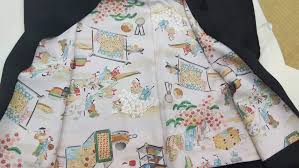
“People in Japan avoid outlandishly flashy, shiny clothes, and prefer understated fashion, such as elaborate linings, which they find chic”
At a gathering of relatives, a gilded costume like that of the host of an Enka TV show is not acceptable, no matter how much money you want to show that you have.
"Karakuri dolls from the Edo period, or a Japanese sword made with the world's most complex, multi-process manufacturing method, or the Zero fighter plane, whose exterior sheet metal parts were fitted by hand by craftsmen, are examples of highly elaborate works that have been taken to the extreme"
The people who buy and use the products are all relatives, so they could be over-strung and over-extended, resulting in over-quality products.
If you are in the middle of making a doujinshi to sell at Comic Market and you are told that all your customers are relatives, you would think, "I can't give you something bad".
“Unintentional tidying the dishes or wiping the table in a restaurant”
If the shopkeepers who clean up afterwards are also considered relatives, they would be attentive to make it as easy as possible for them to do so.
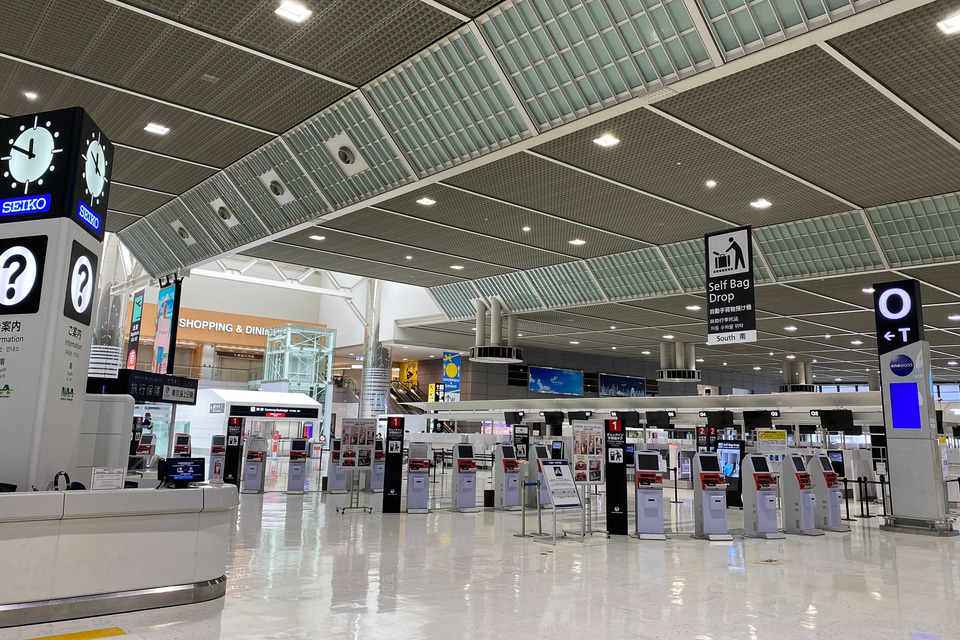
“First-time foreign visitors to Japan are always surprised to find not a speck of dust at Narita Airport”
Ordinary Japanese people could not litter in an area shared by relatives.
It is said that only servers for Japanese people in online games are sometimes made exceptionally difficult and challenging. This is because when Japanese people get together to form a team, they work together organically and effectively without talking to each other, and quickly clear the game.
In the USA, if a child under 13 years old is left on their own, the parent or guardian is considered to have abandoned their child and is arrested. They have no choice but to do so because there are many kidnappings. Therefore, Americans who come to Japan and see children going to school or playing in the park alone are generally surprised.
The ordinary Japanese would not think of kidnapping a relative's child.
"Why are foreigners so surprised at such a normal thing? The answer that I derived by deduction is that "all Japanese people are relatives."
Deduction is the idea that "facts are true if they all add up."
Contrary to this, let us first assume that "all Japanese people are relatives" and try to explain the various facts. It's called Induction.
The quality of Japanese cars is praised because people subconsciously believe that they cannot make a bad product because their relatives use it.
Japanese anime and manga are popular all over the world because they are made in a desperate attempt to impress relatives.
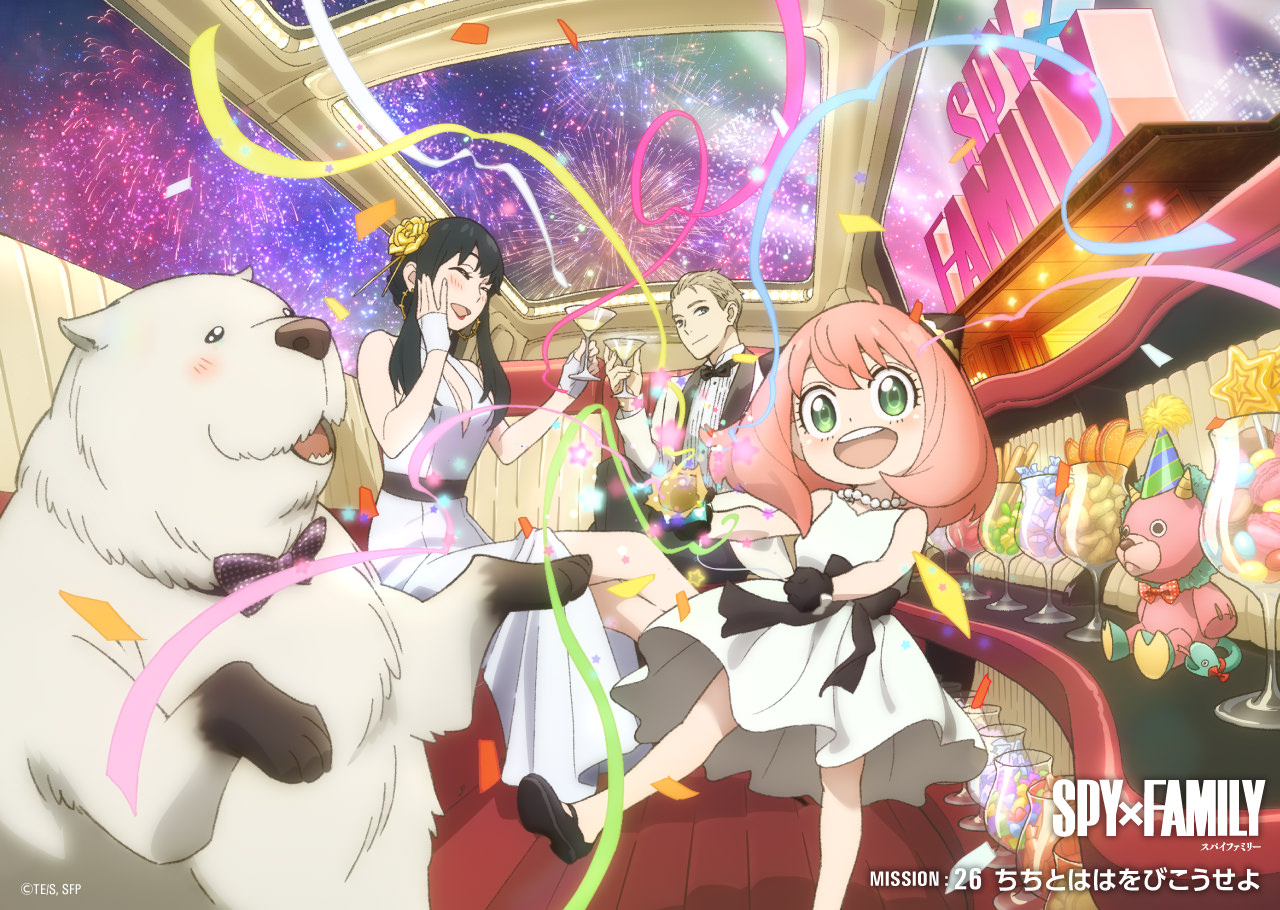
Japanese people mourn even enemy soldiers. In domestic conflicts, enemies are also relatives.
Therefore, I have considerable confidence in the "all Japanese people are relatives" theory.
Chapter 4: Japan is a superorganism
Superorganism, it's an unfamiliar word, isn't it?
The concept proposed in the biological sciences that a collection of several individuals behaves like a single individual, and that group is called a superorganism.
Wikipedia quotes the following description.。
Those insects such as bees and ants that have a social structure similar to that of humans, such as living in groups and having a hierarchy of queens and worker ants (bees) within the group, are called social insects.
Social insects with a hierarchy of infertility are called true social insects.
This group is actually a family group, which is very different from human society in terms of content.
In social insects, the members of the group are dependent on each other, it is difficult to imagine them surviving as a single individual, they reproduce as a single individual within the group, and when they do reproduce, it is in the form of a new group. As described above, a herd may be considered to be equivalent to a single individual, which may be referred to as a superorganism.
Cited above
All worker bees are sisters born from the same queen bee.
The queen bee has by far the longest life span of any bee, and although the male bee, the father of the worker bees, changes from time to time, they are all related to each other as sisters born from the same mother, a family group centered on the queen bee.
Each individual has a defined professional role and other tasks are left to other individuals.
It is therefore difficult for a single individual to survive, just as a cell detached from a living organism cannot survive unless it is carefully cultured.
What do superorganisms such as these beehives and ant nests have in common with Japan?
1 The hierarchy and professions are shared between them.
2 Difficult to survive as a single individual.
3 All are related by blood.
I guess that's what it's all about.
If a beehive/ant-hive-like group is called a superorganism, then Japan is also a superorganism.
All Japanese are related to the Imperial Family as the sole head family, and therefore have a unique culture and behavior in the world.
Japan is, by virtue of its origins, one special individual = superorganism.
I conclude that.
Chapter 5: The ultimate “Only in Japan”
Here I would like to talk about what can be called the ultimate "Only in Japan" - the special attack "Kamikaze" carried out by the Empire of Japan.
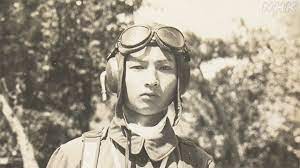
There has never been an example of a suicide attack, carried out "as a regular operation" "on such a large scale" "by a regular army" "of a developed country" in any other country in history.
How could Japan be the only country to carry out a state-sponsored suicide mission?
Oriental bees, which are superorganisms like the Japanese, also make suicide attacks.
The natural enemy of the honeybee is the Asian Giant Hornet.
There have been confirmed cases where a single Asian Giant Hornet has killed more than 4,000 honeybees.
The oriental bees are completely powerless against the Asian Giant Hornets, but if there are only a few invading hornets, it is possible to steamroll them to death with an attack called a honey ball.
The Oriental bees are able to steam-kill the Asian Giant Hornets by attaching themselves to and surrounding the hornets and flapping their wings to raise their own body temperature.
However, this attack is also very damaging on the Oriental bees' side, and individuals close to the center of the honey ball can often die.
It is a death-defying attack, a true suicide attack.
Although the individual can be dead, if the whole nest is considered as one superorganism, the death of the individual has a different meaning.
“A part of the body (suicide bee) was sacrificed, but the superorganisms were saved.”
Is it something like, thanks to the sacrifice of your arm, your life is saved?
The ancestors of the suicide attackers may have understood that they were part of a superorganism and tried to protect Japan by sacrificing themselves, even though they did not know the theory of superorganisms.
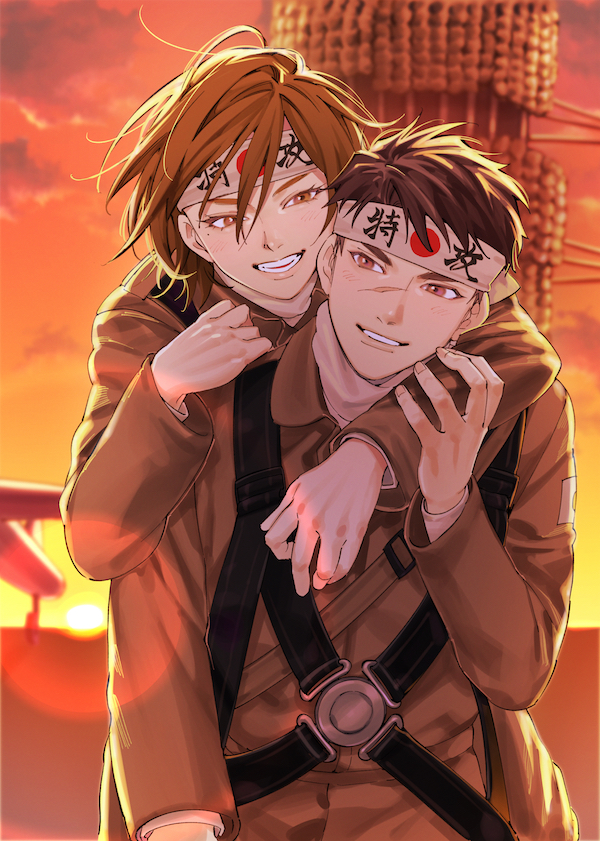
The faces of the remaining suicide pilots before their sortie are all radiant.
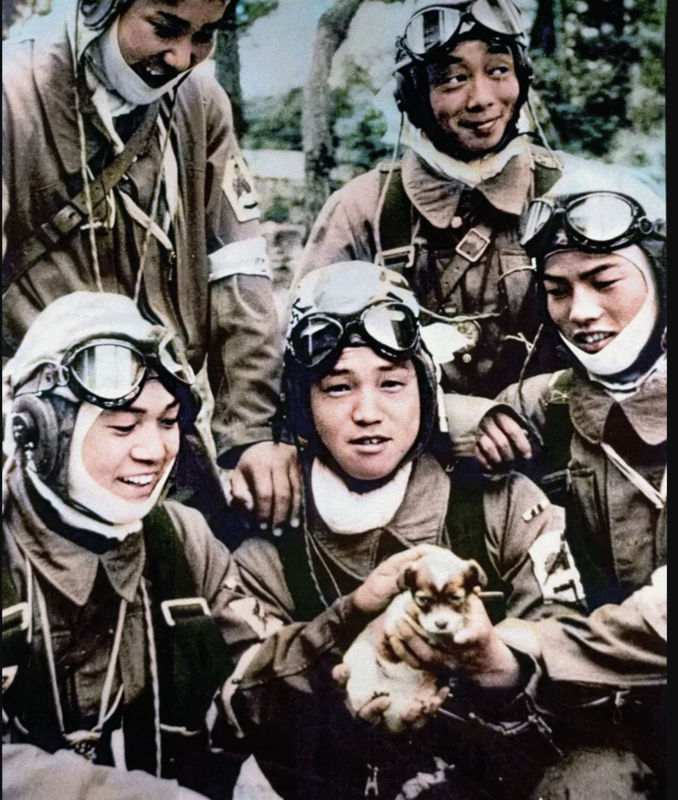
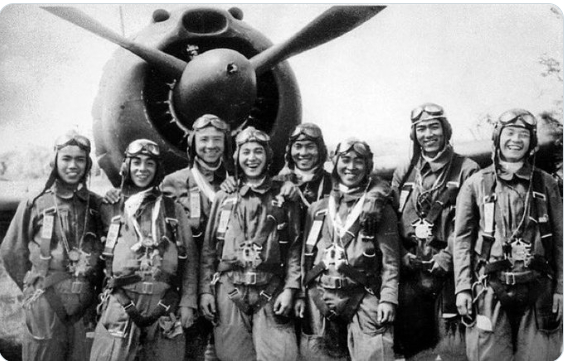
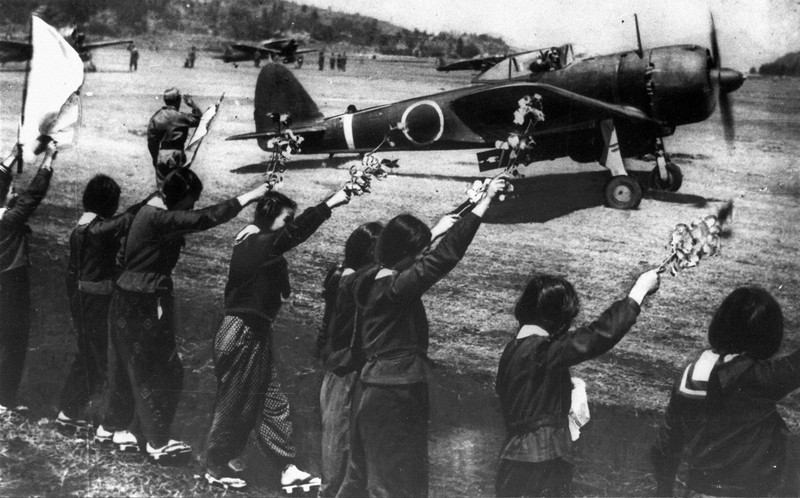
There is no shadow of the suicide attack that the post-war left-wing education taught, that they were reluctant to go on suicide missions because of irresistible peer pressure.
I believe this is the reason why the ultimate "Only in Japan", Kamikaze attacks were possible and carried out by the Japanese.
I sincerely hope it does not come to that, but if we were to fall again into a tragic situation like that at the end of the Greater East Asia War, the Japanese would again be capable of and would carry out suicide attacks.
This is because the Japanese blood that runs in us dictates it.
■くつざわ亮治youtube
https://www.youtube.com/channel/UC5DBMPZZC31Y3YfWNQfZTMA
■くつざわ亮治Twitter : @mk00350
https://twitter.com/mk00350
■くつざわ亮治個人HP
https://go2senkyo.com/seijika/165194
■ご支援のお願い 日本改革党をご支援ください。
・お振込(ゆうちょ銀行、三菱UFJ銀行)
下記URLより、よろしくお願いいたします。※スマホの方は「PC表示」にてご利用ください。
https://form1ssl.fc2.com/form/?id=2df4f487ccee7f31
・クレジットカード決済
下記URLより、よろしくお願いいたします。
https://go2senkyo.com/seijika/165194
■お手紙・物品でのご支援はこちらまでお願いいたします。
170-0005 豊島区南大塚 2-11-10-3階 くつざわ亮治 070-2677-8910 まで
※諸事情によりまして、生ものや重量物はご容赦いただいております。
■日本改革党 メール党員大募集!メルマガご購読で日本改革党をご支援ください。
ご登録はこちらから宜しくお願い致します。
https://www.mag2.com/
この記事をシェアする
ホーム>政党・政治家>くつざわ 亮治 (クツザワ リョウジ)>Why is there so much Only in Japan?